- Last Update07-Mar-2026


- Tweet
-
NATO on alert after Iranian missile intercepted near Turkey
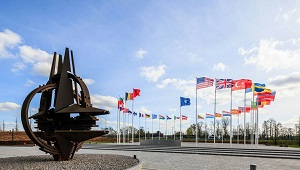
AFP
AMMAN — NATO has raised its ballistic missile defence status after alliance systems intercepted a missile launched from Iran and heading towards Turkish airspace.
The incident highlights the growing risk that the widening regional war could draw the alliance closer to the confrontation.
The missile travelled through Iraqi and Syrian airspace before approaching Turkey, a NATO member state.
Alliance spokesman Colonel Martin O’Donnell said NATO had increased its “alliance-wide ballistic missile defence posture” after Iran stepped up missile attacks across the Middle East.
“In less than 10 minutes, NATO service members identified a ballistic missile threat, confirmed its trajectory, alerted land- and sea-based missile defence systems and launched an interceptor to defeat the threat,” O’Donnell said.
The alliance’s 32 member states agreed during an ambassador-level meeting in Brussels that the heightened defensive posture should remain in place while the threat from Iran’s attacks across the region continues.
Turkey’s defence ministry confirmed that NATO air and missile defence systems intercepted and neutralised the projectile before it entered Turkish airspace.
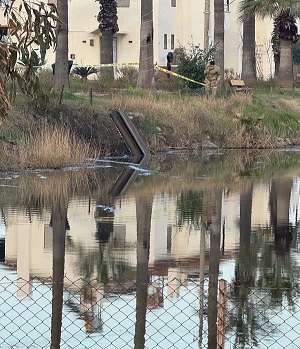
Fragments later discovered in the southern district of Dortyol near the Syrian border were identified as parts of the interceptor missile used to destroy the threat, officials said. No casualties were reported.
NATO condemned the incident.
“NATO stands firmly with all allies, including Türkiye, as Iran continues its indiscriminate attacks across the region,” NATO spokeswoman Allison Hart said.
Turkey summoned Iran’s ambassador following the incident to convey its concerns over the missile launch.
Turkish Foreign Minister Hakan Fidan warned Tehran against actions that could widen the conflict.
In a phone call with his Iranian counterpart, he stressed that “any steps that could lead to the spread of conflict should be avoided”, according to a diplomatic source, quoted by AFP.
However, uncertainty remains over the missile’s intended target.
A Turkish official speaking anonymously told AFP the projectile may have been aimed at a base in Greek Cyprus but veered off course before being intercepted by NATO systems.
NATO officials declined to confirm the missile’s intended target, citing operational security concerns.
The interception comes amid escalating regional tensions following US-Israeli strikes on Iranian targets that triggered retaliatory missile and drone attacks across several Middle Eastern states.
Western governments have warned the conflict could spread beyond current battlefronts.
Despite the escalation, NATO Secretary-General Mark Rutte stressed that the alliance itself is not involved in the military campaign against Iran.
“NATO will defend every inch of NATO territory,” Rutte said.
Under NATO’s Article Five collective defence clause, an attack on one member state is considered an attack on the entire alliance.
Political analyst Amer Sabaileh said the missile incident does not automatically trigger NATO’s collective defence mechanism.
“Article Five remains a possibility, but what has happened so far suggests there is an effort to contain the situation,” he said.
“The missile was intercepted, and the incident has not been repeated. That leaves the classification unclear, whether it was an attack, an aggressive act or simply a mistake.”
“For now, Article Five is not activated. Politically there is alignment, and we are seeing movement under the umbrella of strengthening defence capabilities and supporting US operations.”
The interception comes amid widening regional confrontation following US-Israeli strikes on Iran and Tehran’s retaliatory attacks across the Middle East.
NATO insists it is not involved in the military campaign but says it will defend the territory of all member states if the conflict reaches alliance borders.
Latest News
-
 UK maritime agency reports explosion, oil spill off Kuwait
-
 Safadi reiterates Jordan’s condemnation of Iranian attacks
-
 Turkey says missile launched from Iran destroyed by NATO
-
 Israel orders southern Lebanon evacuated as campaign expands
-
 Israel army says struck 'covert underground' nuclear site in Iran