- Last Update27-Apr-2026


- Tweet
-
Lebanon-Israel negotiations face fire as ceasefire weakens
AFP
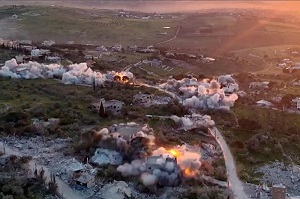
AMMAN — Lebanon defended its decision to pursue negotiations with Israel on Monday as renewed strikes exposed the fragility of a US-backed ceasefire and deepened divisions over the country’s future security path.
President Joseph Aoun said Beirut had informed Washington that any political track must begin with a halt to hostilities.
He said that the position was repeated during ambassador-level meetings held this month and reflected the official stance of the Lebanese state.
Aoun rejected criticism of the talks and said efforts to end war should not be portrayed as surrender.
“Betrayal is committed by those who drag their country into war to serve external interests,” he said in press remarks, carried by Lebanon’s National News Agency.
He said that the state’s objective is to end the state of war through arrangements similar to the armistice model.
The comments came as Hizbollah leader Naim Qassem rejected the planned direct talks, calling them a “dangerous step that would push Lebanon into deeper instability.”
He said that his Iran-backed group would continue the “defensive resistance and would not recognise the negotiations.”
"We categorically reject direct negotiations with Israel, and those in power should know that their actions will not benefit Lebanon or themselves," Qassem said in a statement, cited by AFP, calling on authorities to "back down from their grave sin that is putting Lebanon in a spiral of instability".
"These direct negotiations and their outcomes are as if they do not exist for us, and they do not concern us in the slightest," he added, saying "we will continue our defensive resistance for Lebanon and its people".
At the same time, fresh strikes hit eastern and southern parts of Lebanon, while cross-border tensions continued despite the temporary truce.
The ceasefire was announced earlier this month after intensive US mediation aimed at preventing a wider regional escalation and creating space for political talks.
US President Donald Trump later announced a three-week extension, presenting the move as a chance to stabilise the border and open a diplomatic track.
Washington has sought to use the pause in fighting to revive discussions on security arrangements, border stability and the future role of armed groups outside state control.
But the truce has faced repeated accusations of violations from both sides, raising doubts over its durability.
Lebanon’s health ministry said that the death toll since fighting began on March 2 had risen to 2,509, with 7,755 wounded.
The conflict has also displaced residents, damaged infrastructure and added further strain to Lebanon’s already fragile economy.
Political analyst Areej Jabr said that the ceasefire increasingly appeared to be a political tool used to push Lebanon towards negotiations while military pressure continued on the ground.
She said that ongoing violence suggested attempts to create new realities in the south and tie any future withdrawal to tighter limits on Hizbollah’s weapons and regional role.
Jabr added that what was presented as a truce had failed to produce real calm, leaving Lebanon caught between diplomatic pressure, internal divisions and continued military escalation.
For Beirut, the challenge now is not only to secure a lasting ceasefire, but also to restore state authority and prevent the country from sliding into another prolonged confrontation.
Latest News
-
 US Envoys Heading to Pakistan for Uncertain Iran Talks
-
 Deputising for King, Crown Prince participates in informal meeting of EU, regional partners
-
 Crown Prince meets France president on margins of EU meeting in Cyprus
-
 Lebanon-Israel Ceasefire Extended by 3 Weeks after White House Meeting
-
 Trump says US in no rush but 'clock is ticking' for Iran