- Last Update26-Oct-2026


- Tweet
-
Fertiliser, chemical exports eye growth in Kenyan market — study
The Jordan Times
AMMAN — Kenya offers promising opportunities for Jordanian fertiliser and chemical exports, as the East African country relies almost entirely on imported mineral fertilisers, valued at $376 million in 2024, according to a study.
The study is prepared by Jordan Exports (JE) in cooperation with the Ministry of Industry, Trade and Supply.
It showed that Kenya's merchandise imports reached $20.2 billion in 2024, up 9 per cent from 2023, while domestic production of mineral fertilisers has been suspended since 2018.
The phosphate, compound and specialty fertilisers were identified along with industrial chemicals, as key export opportunities for Jordanian companies, the Jordan News Agency, Petra, reported.
Kenya's imports of diammonium phosphate reached $81.8 million in 2024, while imports of compound fertilisers totalled approximately $54.1 million.
Imports of monoammonium phosphate surged by 280.1 per cent to $6.11 million in the same year, while imports of nitrogen-phosphorus mixtures rose by 217.4 per cent to $26.35 million highlighting growing opportunities for specialised, value-added products.
Jordan's exports of inorganic chemicals to Kenya reached $3.37 million in 2024, making them the largest category of Jordanian exports to the Kenyan market, according to the study.
Meanwhile, Kenya's imports of phosphoric acid increased by 28 per cent to $2.44 million.
The JE study recommended strengthening ties with importers, fertiliser blending plants and local distributors, while comparing the final landed prices of Jordanian products at the Port of Mombasa with those of competing suppliers.
It also suggested starting with trial shipments before moving towards regular supply agreements.
The study stressed the importance of completing product registration, conformity and technical certification requirements before exporting.
Fertilisers classified under Chapter 31 of the Harmonised System (HS) are subject to a zero customs tariff, while emphasising the need to verify any other applicable duties and costs based on each product's classification.
Successful entry into the Kenyan market requires a combination of product quality, competitive pricing, reliable delivery schedules and partnerships with local businesses to help Jordanian companies expand their presence in African markets.
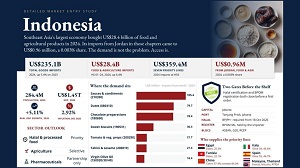
Earlier this month, Jordan Exports, in partnership with the Ministry of Industry, Trade and Supply, launched the findings of market-entry studies covering five promising export destinations; Indonesia, Tanzania, Uzbekistan, Kenya and Malaysia.
The studies identified a combined addressable market of around $2.5 billion across the five countries, presenting opportunities to increase Jordanian exports.
They also noted that Jordanian manufacturers already export to international markets with stringent competitive requirements, providing a foundation for expanding into these destinations.
Latest News
-
 Seven martyred, 40 treated after attack on church in Karak — ministers
-
 Six martyrs, 28 injured in Karak attack — PSD
-
 Interior, health ministers visit Karak following crime, press conference set for 5:30pm
-
 King says terrorist attack against Karak will be met with ‘harshest retaliation’
-
 King receives Syria FM