- Last Update23-Aug-2026


- Tweet
-
The economics of confidence: A reading of the Royal visit to China - By Zaid K. Maaytah, The Jordan Times
The Royal visit to China carries important long-term economic value through investment, trade, technology and new opportunities for cooperation, it also carries wider political and economic significance as an expression of Jordan's ability and right to position itself according to its national interests, alongside these important dimensions, however, was another impact that was immediate, inward, and distinctly Jordanian, His Majesty the King personally heading the delegation sent a strong signal of confidence in Jordan, its economy, and its future.
That signal matters because economies are influenced by how people see the future, behind decisions to invest, expand a business, start a new venture, or make a major purchase is an expectation about what tomorrow might bring, when confidence is stronger, people are generally more willing to act, while uncertainty encourages caution and delay, individually these choices may appear small, but collectively they influence economic activity and the momentum that surrounds it.
This is where public morale acquires economic importance, a more positive collective outlook can strengthen expectations about the future, and those expectations can influence spending, investment, entrepreneurship, and other decisions that support economic activity, the relationship can also reinforce itself, greater confidence encourages action, that action creates economic activity, and visible activity can in turn strengthen confidence, creating a cycle in which expectations and economic behavior begin to support one another.
For Jordan, this matters even more after years in which regional instability, geopolitical shocks, and external economic pressures have inevitably weighed on public morale and expectations about the economy, Jordan has repeatedly demonstrated an ability to navigate these challenges while continuing to pursue its economic priorities, yet economic indicators alone do not determine how people view what lies ahead, what they see happening around them also matters, and so do the signals they receive about the country's direction and confidence in its future.
Here lies another important aspect of the Royal visit, the messenger himself, the same message does not necessarily carry the same weight when delivered by different people, an economic delegation carries significance, but when His Majesty the King personally leads that delegation, the signal gains greater weight and visibility, his presence gives the message a different weight, reflecting continuity, seriousness, and confidence at the highest level of the state, in this case, the message reaching the Jordanian economy was conveyed not only through words, but through the visible commitment represented by the visit itself.
Confidence, of course, does not replace sound economic policy, productivity, investment, or tangible results, rather, it can help these elements gain momentum by influencing how businesses, investors, and citizens respond to the opportunities before them, this is why public morale should not be treated merely as sentiment, once confidence begins to influence decisions, it becomes part of economic activity itself.
The Royal visit to China therefore carries value on several levels, through the political and economic opportunities it advances abroad, and through the signal it sends at home, a signal made stronger by the messenger carrying it, and at a time when Jordan continues to pursue growth despite a challenging regional environment, reinforcing confidence in the future has economic value of its own, because believing in tomorrow can help shape the decisions that build it.
Zaid K.Maaytah is a researcher in economics and behavioral policy
Latest News
-
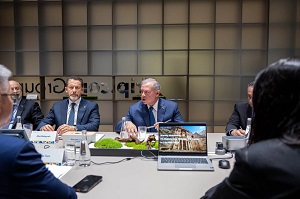 King discusses tourism, cultural cooperation opportunities in Shanghai
-
 Trump says no Iran talks planned, claims Hormuz 'new US territory'
-
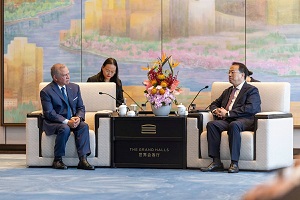 King meets with Shanghai mayor
-
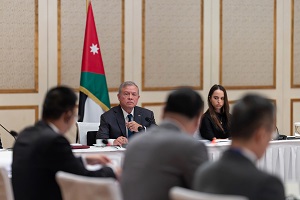 King meets with CEOs of leading Chinese companies in Shanghai
-
 Chinese companies eye expanded pharmaceutical, food partnerships with Jordan