- Last Update26-Aug-2026


- Tweet
-
Astana Congress calls for stronger interfaith dialogue, global peace
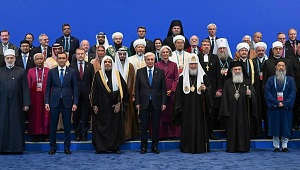
AMMAN — The VIII Congress of Leaders of World and Traditional Religions brought more than 100 delegations from around 60 countries to Astana, placing interfaith dialogue at the heart of international efforts to address conflict, intolerance and the emerging ethical challenges of artificial intelligence.
Held on September 17–18, 2025 under the chairmanship of Kazakh President KassymJomart Tokayev, the Congress brought together spiritual leaders representing Islam, Christianity, Buddhism, Judaism, Hinduism, Daoism, Zoroastrianism and Shintoism, alongside representatives of international organisations, academia, politics and civil society.
The gathering came as wars, political tensions, polarisation and mistrust continue to deepen divisions across societies. Under the theme “Dialogue of Religions: Synergy for the Future”, participants explored how religious dialogue can contribute to peace and stability while addressing some of the challenges shaping the modern world.
Leaders examined violence radicalism and religious intolerance, while stressing the importance of respect for cultural and religious diversity.
Artificial intelligence and the digital transformation of society raised questions over accountability, ethical limits and human responsibility.
As AI becomes increasingly embedded in everyday life, these questions are no longer confined to technology experts. They are becoming questions for societies as a whole.
For the religious leaders gathered in Astana, technological progress therefore formed part of a broader debate about the future of humanity and the values that should guide it.
The Forum of Young Religious Leaders brought emerging voices into the discussion, highlighting their commitment to peace, mutual respect and cooperation among faiths.
Their participation underscored the need to ensure that interfaith dialogue is sustained beyond current generations of religious and community leaders.
The two-day gathering concluded with the adoption of the Astana Peace Declaration 2025, calling for stronger trust among religious communities, respect for cultural diversity and a shared vision based on compassion, justice and harmony.
For Kazakhstan, the Congress further reinforced Astana’s role as a platform for interreligious and intercultural dialogue.
For the wider international community, it offered a reminder that peace is not built only through diplomatic negotiations.
In a world increasingly defined by division, Astana offered a different form of diplomacy ,one built on the willingness of different faiths and cultures to sit together, listen and search for common ground.
Latest News
-
 King holds talks with China president
-
 Gov’t approves 5 new technical schools as 86 already open nationwide
-
 Hassan opens new Mafraq Park, directs upgrade of public facilities in eastern city
-
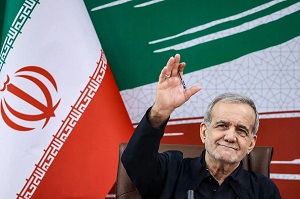 Iran President: US Memorandum is Best Path Out of Stalled War
-
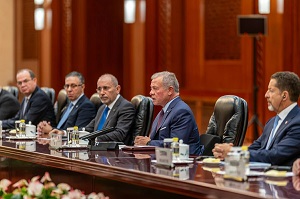 King meets with China NPC standing committee chairman Zhao Leji in Beijing