- Last Update07-Sep-2026


- Tweet
-
Cabinet approves 30 new model schools, five technical schools
The Jordan Times
AMMAN — The Cabinet, during a session chaired by Prime Minister Jafar Hassan on Sunday, approved the establishment of 30 new model schools across the Kingdom at a cost of around JD40 million through the Community Responsibility Project (CRP), with the schools scheduled for completion within one year.
The decision follows the completion of 86 new schools over the past 12 months, including 14 built through the CRP, in addition to 90 projects to expand classrooms and kindergartens at a total cost of nearly JD145 million.
The projects helped eliminate the need for 61 rented schools and convert 22 schools from a two-shift to a single-shift system, according to a Prime Ministry statement.
The Cabinet also approved the establishment of five new technical schools at a cost of nearly JD25 million, including Al Qweismeh Secondary School for Boys in Amman, Rahab Secondary School for Boys in Mafraq, Jerash Secondary School for Girls, Wadi Al Rayyan Secondary School for Boys and Zabda Farkouh Secondary School for Boys in Irbid.
More than 390 maintenance tenders have also been issued, covering 720 schools nationwide at a cost of around JD16.5 million, as part of government efforts to improve school infrastructure, enhance teacher capacities and curricula, and expand the use of modern technologies, the statement said.
To support supply-chain stability and help prevent increases in commodity prices, the Cabinet extended for six months a previous decision exempting increases in maritime freight costs from customs duties and applicable taxes.
The exemption applies to all goods imported by sea and covers general and special sales taxes, the statement said.
The Cabinet also approved the National Policy for Early Childhood Development and Care, aimed at strengthening early childhood services and ensuring integrated, equitable and high-quality care for children and their families.
The policy covers children from pregnancy to the age of five, as well as their families and caregivers, focusing on health and nutrition, responsive care, protection and safety, and early learning. It also emphasises the role of families, early intervention and prevention, and women’s economic participation.
Prepared by the National Council for Family Affairs in coordination with the National Team for Early Childhood Development, the policy involved relevant government and national institutions, international organisations and specialised experts. It was also discussed by the Ministerial Committee for Women’s Empowerment, the statement said.
The policy is aligned with the Economic Modernisation Vision and Jordan’s international commitments. The National Council for Family Affairs will serve as the national coordinating body for its implementation and monitoring, while relevant ministries and institutions will incorporate its priorities into their plans and budgets.
Latest News
-
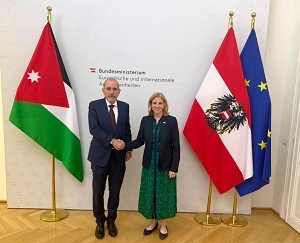 Safadi, Austrian foreign minister discuss bilateral relations, regional developments
-
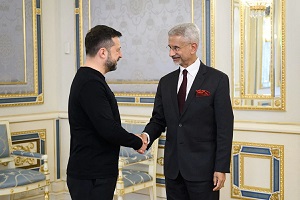 Ukraine, India discuss Black Sea, food security on FM's 'historic' Kyiv visit
-
 Trump Floats Renaming Strait of Hormuz as 'Trump Strait'
-
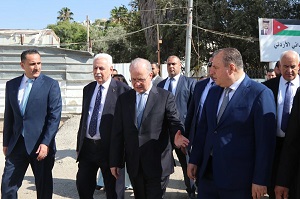 Palestinian prime minister visits Jordan Field Hospital in Nablus
-
 King visits National Press, inaugurates new expansion project