- Last Update16-Oct-2026


- Tweet
-
Islamic sukuk: Rethinking debt management - By Raad Mahmoud Al-Tal, The Jordan Times
The Cabinet’s approval of a JD 400 million Islamic sukuk issuance by the Greater Amman Municipality (GAM) marks an important step towards modernising public financing and improving debt management in Jordan. Sukuk will offer an annual return of 5.5% over five years. Beyond providing an alternative source of funding, the initiative aims to restructure the Municipality’s debt, reduce borrowing costs, and diversify the financing instruments available to public institutions.
The economic rationale is straightforward. GAM is seeking to replace part of its commercial borrowing, which carries an estimated cost of 8.25%, with financing at a lower rate. This 2.75-percentage-point differential could ease debt-servicing pressures and release financial resources for infrastructure investment and public services. According to the announced estimates, the issuance is expected to generate savings of approximately JD 70 million over five years, potentially rising to JD 140 million if the sukuk are extended for a further five years under the same financial assumptions.
The initiative forms part of a broader financing plan. GAM intends to issue an additional JD 300 million in sukuk in each of 2027 and 2028, bringing the planned total to JD 1 billion. If implemented effectively, this programme could support the refinancing of existing obligations at more favourable costs. Nevertheless, its ultimate contribution to financial sustainability will depend on how the proceeds are deployed and whether refinancing is accompanied by effective expenditure management and control over future borrowing.
The significance of this initiative extends beyond the Municipality’s balance sheet. As the first issuance of its kind by a municipal public institution in Jordan, it represents a potential milestone in the development of the country’s Islamic finance market. The sukuk will offer a new investment instrument for banks, insurance companies, and savings, investment, and retirement funds, broadening the range of financial assets available to institutional investors.
The Central Bank of Jordan’s role in managing the issuance, together with the sukuk’s eligibility for trading on the Amman Stock Exchange, adds another important dimension. Tradability could give investors greater flexibility in managing their portfolios while expanding investment opportunities and strengthening the capital market’s capacity to mobilise domestic savings. Over time, a successful issuance could encourage other public institutions to explore sukuk financing, helping diversify funding sources and deepen Jordan’s capital market. Realising these benefits, however, will require adequate secondary-market liquidity, transparent disclosure, and efficient pricing mechanisms.
GAM’s wider fiscal position also matters. Its own-source revenues reportedly increased by approximately 13% compared with the previous year, while the 2027 budget allocates JD 177 million to capital expenditure. Planned investments include public transport, road infrastructure, waste management, green spaces, and smart-city projects. These priorities highlight the importance of integrating debt management with stronger revenue generation and more efficient public spending.
Islamic sukuk should be assessed not simply by the amount of financing they mobilise, but by their contribution to fiscal sustainability and economic development. Lower borrowing costs can create valuable fiscal space, but lasting benefits will depend on disciplined debt management, productive investment, and measurable improvements in public services. The success of this initiative will therefore lie in translating financial savings into tangible economic and social gains for the people of Amman.
Latest News
-
 Coalition destroys Houthi missile targeting Riyadh, four injured from debris — Saudi media
-
 Zelenskiy: Russian Missile Strike Targeted Power Plant
-
 Trump says Houthis are ‘misbehaving very badly’ following attacks on Saudi Arabia
-
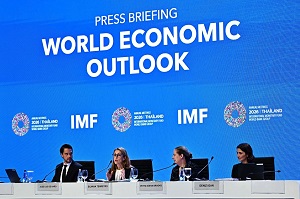 IMF upgrades 2026 growth forecast but warns of 'split' outlook
-
 King, Australia defence minister discuss cooperation in defence, security