- Last Update23-Jan-2026


- Tweet
-
What we know about US transfer of Daesh prisoners from Syria to Iraq
AFP
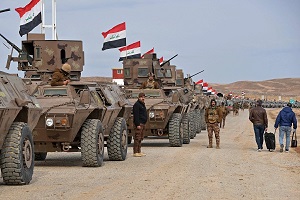
BEIRUT — The US army has begun transferring thousands of alleged Daesh terror group extremists formerly held by Syrian Kurdish fighters to neighbouring Iraq, which said on Thursday it would commence legal proceedings against them. Here is what we know.
What’s involved?
The US military said Wednesday its forces had transported 150 Daesh fighters from jail in northeast Syria’s Hasakeh province “to a se cure location in Iraq”. Up to 7,000 detainees could be transferred under the deal, although no timeframe was specified.
The Kurdish-led Syrian Democratic Forces (SDF) seized territory in north and east Syria during around four years battling the extremists with the support of a US-led anti-Daesh coalition, before territorially defeating the extremists in 2019.
It jailed some 12,000 suspected Daesh members, including up to 3,000 foreigners from more than 50 countries, and detained tens of thousands of their relatives in camps. Washington announced the plan after the SDF, under military and political pressure from Damascus, relinquished swathes of territory and withdrew to parts of far northeast Hasakeh province.
It also left Al Hol camp, which houses some 24,000 relatives of suspected Daesh fighters, including several thou sand Iraqis and more than 6,000 women and children from around 40 other nationalities. Damascus has joined the international coalition against the extremists, and Washington this week said the purpose of its partnership with the SDF was largely over.
Why move them?
Admiral Brad Cooper, head of the US military’s Central Command, said that transferring Daesh detainees was “critical to preventing a breakout that would pose a direct threat to the United States and regional security”.
He told Islamist Presi dent Ahmed Al Sharaa that Syrian and other forces should “avoid any actions that could inter fere” with the mission. Damascus has expressed readiness to take over responsibility for the prisons and camps. But analysts expressed concern that extremists long holed up in Syria’s vast desert could exploit any security vacuum to bust its members and their families out of detention if negotiations with the Kurds falter.
Heiko Wimmen, project director for Iraq, Syria and Lebanon at the Iraqi judiciary”. Iraqi courts the International Crisis Group, noted the “resilient Daesh presence” in northeast Syria and the “potential for more violence and chaos”. If Daesh want to free inmates, “their chances are probably better” there than in Iraq, which “has an efficient counter terrorism structure”.
Western countries are reluctant to repatriate their nationals partly because “they can’t prosecute them”, he said, as producing evidence of their alleged crimes now is “almost impossible”. For years the Kurds urged countries to take back their citizens but most repatriated only a trickle.
Why to Iraq?
Iraq is still scarred by the years of Daesh’s reign of terror there.
A day after the transfer was announced, Iraq’s judiciary said all suspects, regardless of nationality or Daesh ranks, would be “subject exclusively to the authority of have handed down hundreds of death sentences and life terms for terrorism offences, including hundreds of foreign fighters, some of whom were caught in Syria.
In 2019, the courts sentenced 11 French nationals to death, although a judicial source said the sentences were later commuted. Wimmen said Europe and states whose nationals are detained in Iraq, such as France and Germany, would be unlikely to object to them standing trial there.
“Iraq was one of the damaged parties, it’s their right to prosecute them,” he said, noting it would also be less costly for European countries to support Iraq than re patriate the fighters. Farhad Alaaldin, the Iraqi premier’s foreign affairs adviser, told AFP that prisoners in Syria “pose a serious threat to Iraq’s national security”.
Transferring them seeks to protect Iraq’s security and “the region from a potential major escalation” if they es caped, he said. Adel Bakawan, director of France-based think tank the European Institute for Studies on the Middle East and North Africa, said Iraqis feared any Daesh jailbreak. “Iraqi Daesh prisoners must absolutely be brought to Iraq so they can be managed,” he told AFP.
But he cautioned that Iraq could only accommodate “a few hundred” prisoners for now, meaning facilities will need expansion and funding. On Sunday, Iraqi authorities said US-led coalition forces had finished withdrawing from bases in the country’s federal territory, while the mission will end in Iraq’s Kurdistan region this September. “Coordination with the international coalition will continue with regards to completely eliminating Daesh’s presence in Syria,” they said.